
What's one habit that helps businesses deliver on their commitments and keep things running smoothly, but which, when relied on too heavily, can become a sign that things aren't working quite as well as they should? Phew... that's one long question! Let's take a moment to digest it. There are at least a few good answers, but the one that comes straight to my mind is chasing people. Yes, chasing! And let me tell you why.
Chasing, or as we nicely call it, following up with people, is a perfectly normal and often necessary part of running a business. When I think about it, many positive words come to my mind: commitment, reliability, accountability, and so on. It shows that we understand the realities of working with others: we're all busy, we have different priorities and sometimes things simply slip our minds. Friendly reminders and quick check-ins are great habits to have.
But what happens when more and more things require chasing? And then even more? Well, we start seeing growing dependency across the business. It's surprisingly easy to get used to receiving reminders about our commitments. It's convenient to have someone prompt us for updates. It might not seem like a big deal at first, but over time, the consequences can be quite painful for the business. Time disappears into endless reminders, decisions and tasks drag on, frustration builds and eventually even customers may feel the impact.
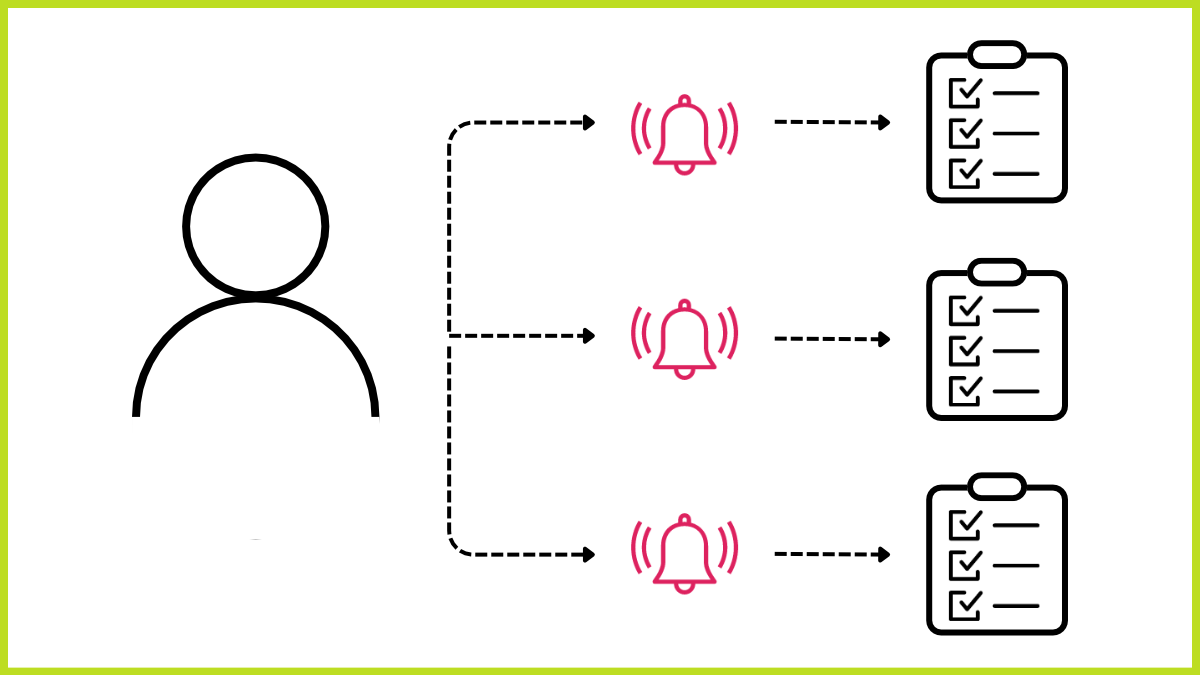
So we've got a solid habit that can help a business run smoothly as it grows. But if we let it get out of control, we risk building a business that might eventually need an army of “personal assistants” just to keep everyone on track. As Ops leaders, we can (and should!) help businesses develop and maintain good habits. So how can we make sure chasing doesn't get out of control? We'll get to that in a moment, but there's something else I want to bring up first.
We might be contributing to the problem ourselves.
I can already picture some of you getting defensive. Me?! How?! I do everything I can to keep things together! And right there is your answer. We care about the business, our customers and our team. And we put a lot of effort into making sure things get done. But in doing so, we might be constantly reminding others, checking progress and asking for updates. So essentially, we take responsibility for keeping other people's commitments on track, instead of leaving that responsibility with them.
Now that we've made a mental note that we might be part of the problem ourselves, let's move on to what we can do to reduce constant chasing. I've put together a few practical steps you can take. Some are quick wins, others will take a little longer, but they all have one goal: making sure chasing remains a healthy and helpful habit rather than something the business constantly relies on.
Make commitments and progress visible
Use dashboards, logs and checklists to build visibility, making sure everyone knows how to record their progress and where to find updates. That alone can save a lot of time that would otherwise be spent chasing people. But here's the catch: you need to be very clear about who updates what, by when and who reviews it. If you spend every Friday chasing everyone to update the dashboard, we've not solved the problem at all. We've simply created another thing to chase. So you don't. And yes, that means missing updates will be visible as exactly that: missing updates.
Create routines
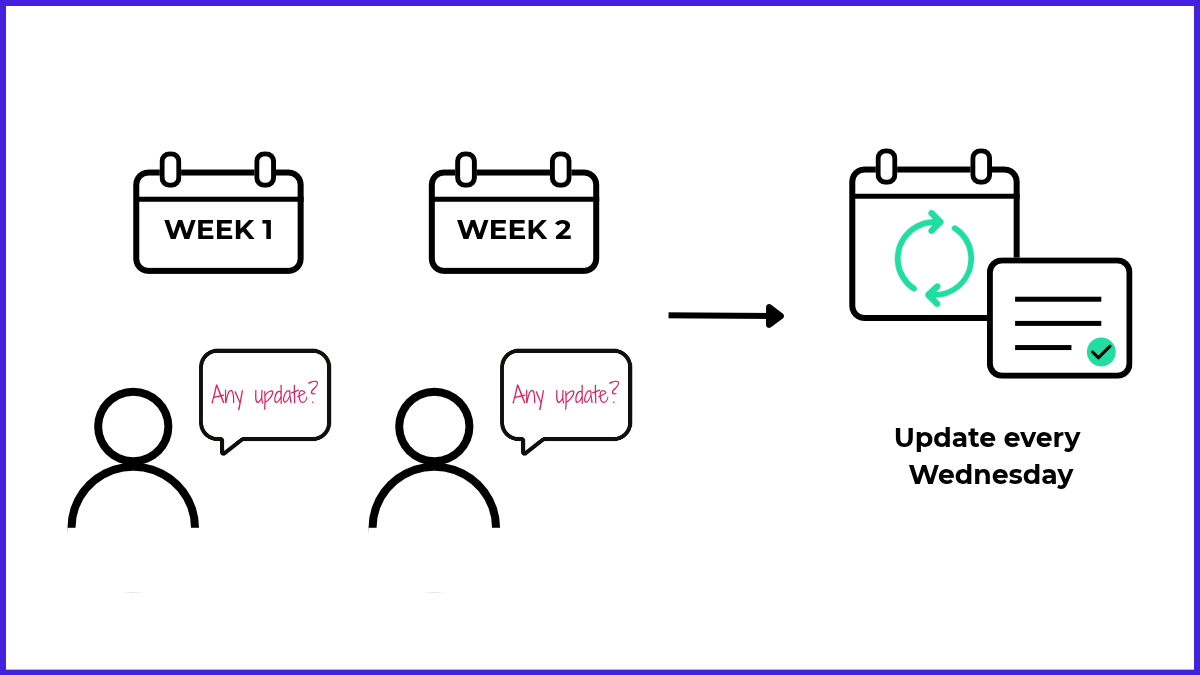
Surely you've found yourself having déjà vu moments? Chasing project progress every Wednesday just before a client meeting? Asking for updates every Thursday before your weekly catch-up with the C-suite? It's much more efficient to turn these into routines. Agree on when recurring updates should be provided and stick to that schedule. Okay, you might need to remind people at first, as is normal when establishing new routines, so don't get frustrated. Instead, use what's already available to you: those dashboards and checklists from earlier, calendar reminders or notifications in your project management tool. Whatever it takes to make those updates happen without chasing.
Set response-time expectations
How often should you be chasing someone to get an update or an answer? To be honest, I don't know. And I'm not sure there's one right answer. As we said earlier, what matters to you might not be equally important to someone else, simply because you’ve got different priorities. So instead of spending time on yet another follow-up that might get ignored, why not introduce response-time expectations across the business? These could be based on the urgency or type of request, or whatever else makes sense for your business. Clear expectations mean less time wasted and less frustration for everyone involved.
And remember, responding doesn't always mean providing an answer straight away. Sometimes, a quick acknowledgement and an indication of when to expect a decision or update is enough to avoid another round of chasing.
Change your approach when chasing isn't working
Sent three follow-up emails and still no reply? Chances are another three won't get you much further, or at least not quickly enough. Sometimes you need to try a different approach. How about a quick 10-minute catch-up with the right people to resolve questions and unblock work? That works really well for me, but you might find something else works better in your business. The bottom line is, don't stick to one way of chasing, especially when it's not getting you anywhere. Explore other options!
Introduce an escalation route
Constant chasing can be draining, and nobody should feel it's their sole responsibility to keep chasing indefinitely or to come up with new ways to get someone to respond. If we let that happen, we risk normalising poor habits while wearing down those who constantly have to do the chasing. One way to avoid this is to introduce an escalation route that makes it clear when repeated chasing should stop, who to escalate to and how. This way, people know they have support when they're getting nowhere, while the poor habits of those they're chasing can be addressed by someone with the appropriate authority.
Reduce unnecessary dependence on leadership
Heavy reliance on leadership is common in scaling businesses, and it can become a real bottleneck. But have you ever wondered why we rely on them so much? I've noticed that as businesses grow, many decisions remain with senior leaders simply because that's how things have always been done, rather than because they're the only people who can make them. This one isn't a quick task. Take the time to look at the decisions and approvals people regularly chase leadership for. Could some of them be delegated to others, with clear boundaries around what they can decide independently? I'd be willing to bet that in many businesses, the answer is yes!
Stop saving the day… every time
You're probably not going to like this one (trust me, I didn't at first either!), but sometimes we need to let people experience the consequences of their own inaction. I said earlier that we, Ops leaders, might unintentionally be keeping the chasing habit alive. So what if, occasionally, we don't save the day? What if someone has to explain why they haven't delivered what they promised? Of course, this requires some judgement. Make sure you choose situations where the consequences are manageable, rather than risking serious harm to customers or the business.

Deciding when to step in and when to let others take responsibility takes practice. My article Just because Ops can help, should we? goes into more detail about making those judgement calls and the different ways Ops leaders can respond to the problems and requests coming their way.
Make a fuss about good habits
We're often much quicker to notice problems and challenges than positive behaviours. But consistently doing what you've promised, proactively sharing updates and flagging potential delays are all behaviours worth recognising, loudly and often! Not only can this boost morale, but there's also a psychological element to it. When people see others being recognised for certain behaviours, they're more likely to adopt those behaviours themselves. So don't forget to recognise and praise these, and all the other positive behaviours you want to see more of in your business.
Next steps
Make one small change: Examine the chasing habits in your business. Don't be surprised if you find quite a few! Pick just one for now. Could you put one of the eight tips above into practice to start changing it?
Share your experience: Have you found other ways to reduce constant chasing in your business? I'd love to hear what's worked for you, so share your tips in the comments!
Subscribe to Opsi Monthly: Get practical insights and fresh perspectives to help you navigate the everyday challenges of leading Operations in a scaling business.