
Engaging teams in Ops: Everyday behaviours that actually work
People leadership is one of the biggest privileges at work. When you get to lead a team, you’re exposed to different perspectives, working styles, priorities, and ways of thinking. You learn how to communicate better, how to listen, and how to adapt.
In Operations, that privilege comes with an interesting twist.
Ops professionals work across multiple teams. We support them, remove roadblocks, find efficiencies, and solve problems that often sit outside one function. To do that well (and sometimes to do it at all) we need people’s engagement. And that can be tricky.
Teams want their problems fixed, but they’re often busy, focused on their own priorities, or just reluctant to take on what feels like extra work. On top of that, Ops often doesn’t have formal authority over other teams, and trying to force engagement usually backfires.
So where does that leave us? Stuck in a deadlock?
Absolutely not. Authority isn’t the most powerful tool Ops leaders have. Trust and influence are.
We can all incorporate small, intentional behaviours into our daily routines to build trust, clarity, and influence, so teams are genuinely willing to get involved. It takes commitment, consistency, and practice, but the results are much more effective than formal authority ever is.
Happy learning!
Use accountability language
The language we use when working with teams matters more than we might think. If it’s vague, hesitant, or overly polite, or if Ops requests are framed as favours, then, quite frankly, you’re unlikely to get very far. This kind of language sends a clear signal that the work is low-priority, optional, or “nice to have”. And it’s not hard to guess how teams treat optional work… postpone, postpone again, ignore, skip altogether. You know the drill.
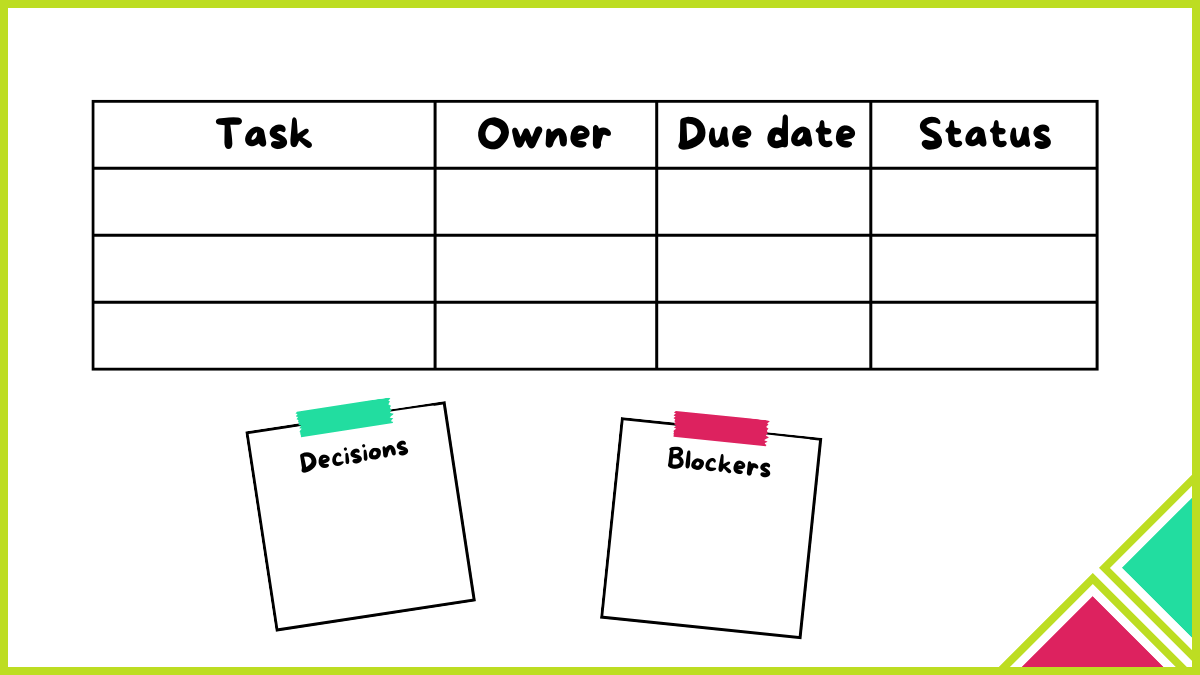
If you want things to land differently, focus on accountability and clarity. Be explicit: clear ownership, clear deadlines, clear next steps, clear decision points, clear expectations, saying who is doing what, by when, and how progress will be reviewed. This shift in communication changes how other teams see Ops work, and what it means to work with the Ops team. It’s no longer “nice to have”, but real work that needs to get done.
One important note from me here: accountability can’t be one-sided. To make cross-team projects work, everyone needs to be held to the same standards. That means being just as clear about what the Ops team owns, delivers, and by when, as you are about what you expect from other teams.
Make it clear what’s in it for them
Ops people tend to think in business terms. Business problems, business improvements, business value, and so on. When we talk to other Ops professionals, that focus feels completely natural. That’s how we’re wired. What we often forget, and I’m just as guilty of this, is that other teams are much more interested in their own pain points and day-to-day reality.
Take something like rolling out a new CRM. From an Ops perspective, it’s great because it’s cheaper, more secure, integrates better with other tools, and comes with stronger features. All true, but do other teams care about exactly the same things? Nope. Sales cares about having a single source of truth and quicker handovers. Client teams care about smoother onboarding. Delivery teams care about starting work with proper context instead of chasing information.
When talking to other teams, you have to think about what’s in it for them and frame the conversation around that. The closer you connect the work to their challenges, the more likely you are to get their interest, support, and engagement.
Create a forum for team pain points
You might be wondering how you’re supposed to know what’s in it for other teams, especially if you don’t work closely with them. That’s a fair question. And the answer is simple: you need reliable ways to understand their struggles. One of the most effective is a regular forum for team pain points.
The goal is to surface what’s getting in the way of people doing their jobs well; what slows things down; what’s frustrating; and what keeps coming up again and again. Make the goal crystal clear from the start. Also, keep the sessions focused and structured, so teams see them as valuable rather than just another (boring) meeting they feel obliged to attend. Finally, consistency is a key word here. It usually takes time to build trust and for teams to start opening up properly. That’s normal. Keep going. Over time, patterns start to emerge. You get clearer on where Ops focus should go, and what actually resonates with different teams (and even with specific people).

Communicate decisions and outcomes clearly
We often hear the advice “communicate clearly”. It’s good advice, but also quite vague. So let’s be more specific about where the effort really needs to go: decisions and outcomes.
I’ve been in plenty of meetings where communication felt great. We came up with strong ideas, discussed lots of options, and gathered valuable feedback. And then the meeting ended, with no clarity around what was actually decided, what was approved, or what happened next. The outcome isn’t hard to guess: confusion, slow progress, the same topics resurfacing in the next meeting, or people working on things they thought were agreed.
Clear communication around decisions and outcomes reduces uncertainty, saves time, and helps teams move forward.
Close every Ops commitment
I’ve always believed in leading by example, and doing it consistently in day-to-day work. Honouring the commitments you make to others is one of the most important parts of that. It matters within your own Ops team, and even more so when working across teams. When people agree to work with you, they expect your involvement, support, and follow-through. And they watch what actually happens, not just what is said.
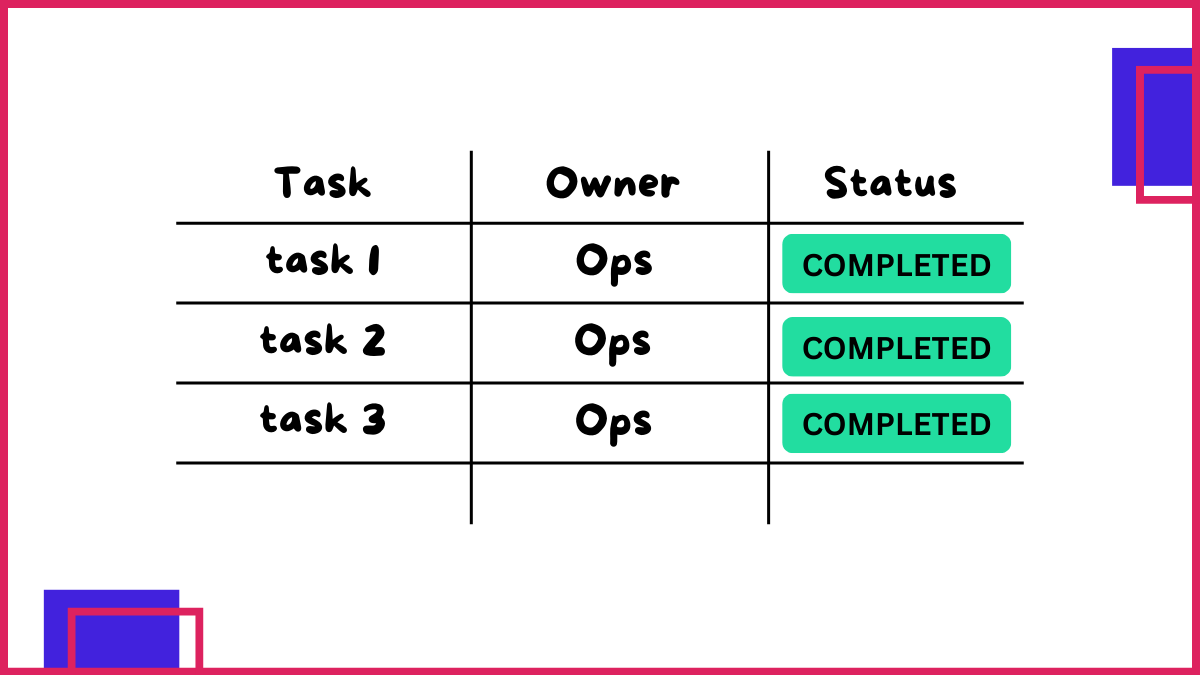
If Ops drops the ball, keeps delaying, or comes back with excuses, you’re sending messages you probably don’t intend to. Messages like “this is low priority” or “your time and effort don’t really matter here”. That’s how trust erodes. So take your commitments seriously. But also be honest with yourself about what you can realistically deliver, so you don’t overcommit and disappoint.
Respect others’ time and priorities
Cross-team projects require a bit of planning and coordination around when work should happen. You can’t always go with what works best for Ops, or even what feels urgent for the business. You need to understand what’s happening at team level and be considerate of their time and priorities.
If a delivery team is right in the middle of a critical release, or sales is pushing hard to close an important quarter, asking them to engage in something new can dilute their focus and pull their attention in too many directions. Instead of helping, you risk adding unnecessary pressure.
Agreeing timelines with teams, acknowledging what they’re dealing with, and waiting when needed shows respect. And respect goes a long way when you’re trying to work well together.
Recognise and reinforce helpful behaviour openly
How often do we actually praise positive, helpful behaviours out loud? Things like taking ownership without being asked, helping another team unblock an issue, or flagging a risk early. From my experience, not often enough.
We get so wrapped up in delivery, deadlines, problems to solve, and progress to track that we forget how powerful simple appreciation can be. A quick mention in a meeting or a short message in a shared channel is often enough to show that the effort people put in doesn’t go unnoticed; that you’ve seen it and valued it.
When people feel appreciated, they’re far more likely to repeat those behaviours and work with you again. And positive behaviours tend to spread, so you might start noticing others being more willing to step in and help out.
Next steps
Run a small experiment: Pick just one habit from this article and apply it intentionally over the next couple of weeks. Notice how teams respond, what feels easier (or harder), and whether you start seeing a shift in engagement. If it works, introduce another habit. If not, give it a bit more time (remember, changing team dynamics rarely happens overnight).
Join the conversation: Which of these habits do you find most difficult to apply in practice? Let us know in the comments. Other Opsi readers might be struggling with the same thing.
Subscribe to Opsi Monthly: One email a month with practical ideas, habits, and reflections to help you lead through imperfect, real-world operations with clarity and confidence.