
Handling the constant variety of Ops work while keeping focus
If you asked me to rate the variety in Ops on a scale of 1–10, I’d confidently say it’s a 10.
On any given day, Ops leaders act as firefighters (crisis management), architects (process design), accountants, HR managers, and customer service reps - the ultimate Jack or Jill of all trades.
Personally, I love this variety because it creates learning opportunities, and encourages constant curiosity. But constant switching, competing priorities, decisions, questions and interruptions also mean that some days can feel intense and overwhelming, even for those of us who’ve been doing this job for a while.
So I’ve put together a few simple, practical tips that help me stay sane, focused, and keep stress levels in check. There’s no rocket science here. You’ll probably recognise most of them. What I’ve realised, though, is that we tend to forget the simple things when pressure builds.
Happy learning!
Don’t over-plan your day
This is my absolute number one rule. As Ops leaders, we naturally try to squeeze as much as possible into a day because new tasks keep coming, and also because it feels productive. But if your calendar is fully booked, you leave no room for the unexpected: an incident, an escalation, an urgent decision, or a last-minute request. And those happen daily.
If you don’t deliberately allow time for things not going as planned, you’ll end up scrambling and reshuffling everything else. Ops needs flexibility, and you need to make space for it. As a rough guide, aim to plan around 60–70% of your time and leave the rest as a buffer. It’s far better to finish more than expected on a quiet day than to overcommit and constantly feel behind.
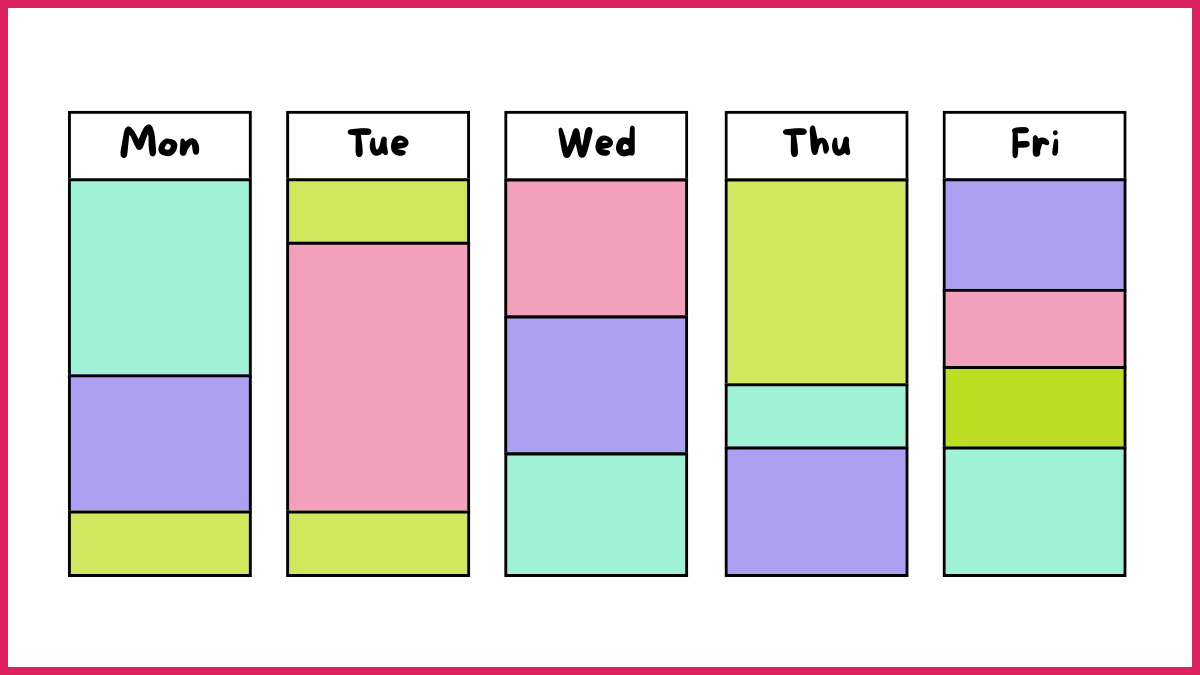
Group similar tasks
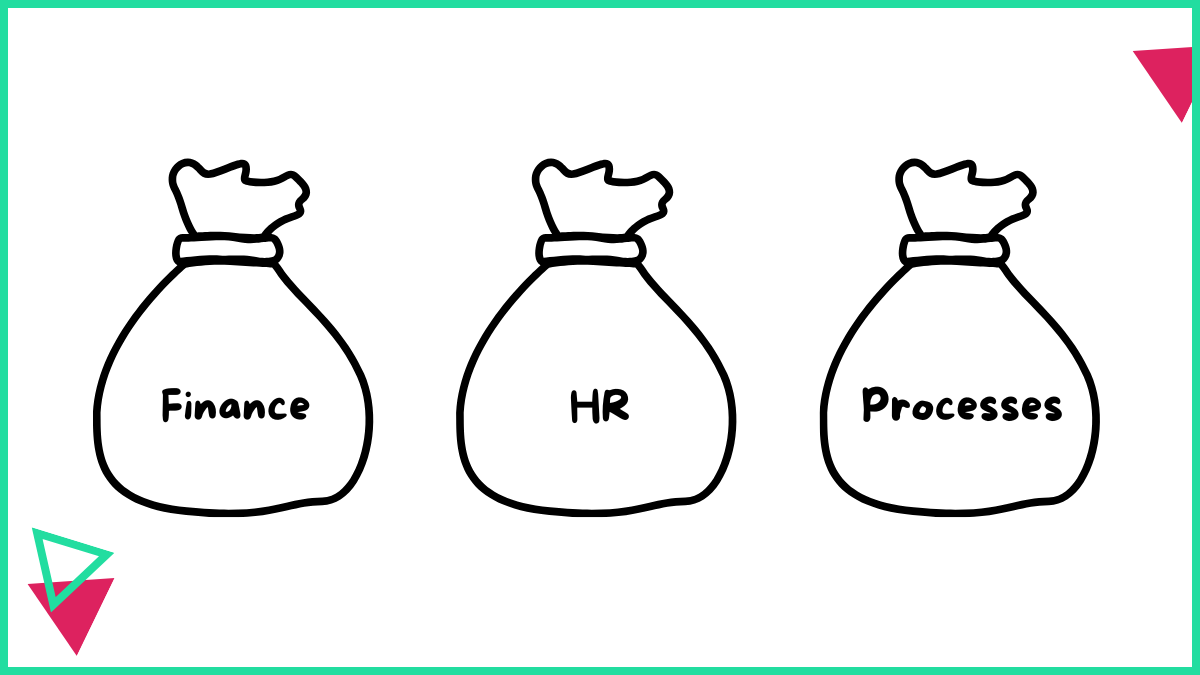
Context switching is completely normal in all Ops roles, and we do it a lot. But jumping from HR issues to finance, then into process work, followed by a team meeting or a legal question, is intense. If that kind of intensity becomes your default, it will quickly drain your energy and start to feel overwhelming. One of the smartest ways to manage that load is to group similar tasks together. Focus on HR issues in the morning, leave finance for the afternoon, and keep deeper process work for the next day. Once you reduce unnecessary switching, you’ll likely notice better focus and energy levels, and be able to get more done and deliver better results in the long run.
Take small breaks
Well… We hear this advice all the time. Take breaks. And in Ops it often ends up being a rushed coffee or a quick trip to the kitchen between meetings. But small breaks really do matter, especially when you’re constantly switching context. Finishing a task or moving between different types of work is the perfect moment to pause. You don’t need long breaks; 5-8 minutes is enough. Stand up, stretch, walk around, take a few slow breaths, or simply step away from your screen. These small breaks help reset your attention and stop mental fatigue from building up throughout the day.
Reduce variety at the source
How often do you deal with the same issues again and again? From my experience - very often. A lot of variety comes from repeat questions and recurring problems. Sometimes it’s because things aren’t documented or people don’t know where to look; other times, it’s simply about convenience (it’s easier to ask than search).
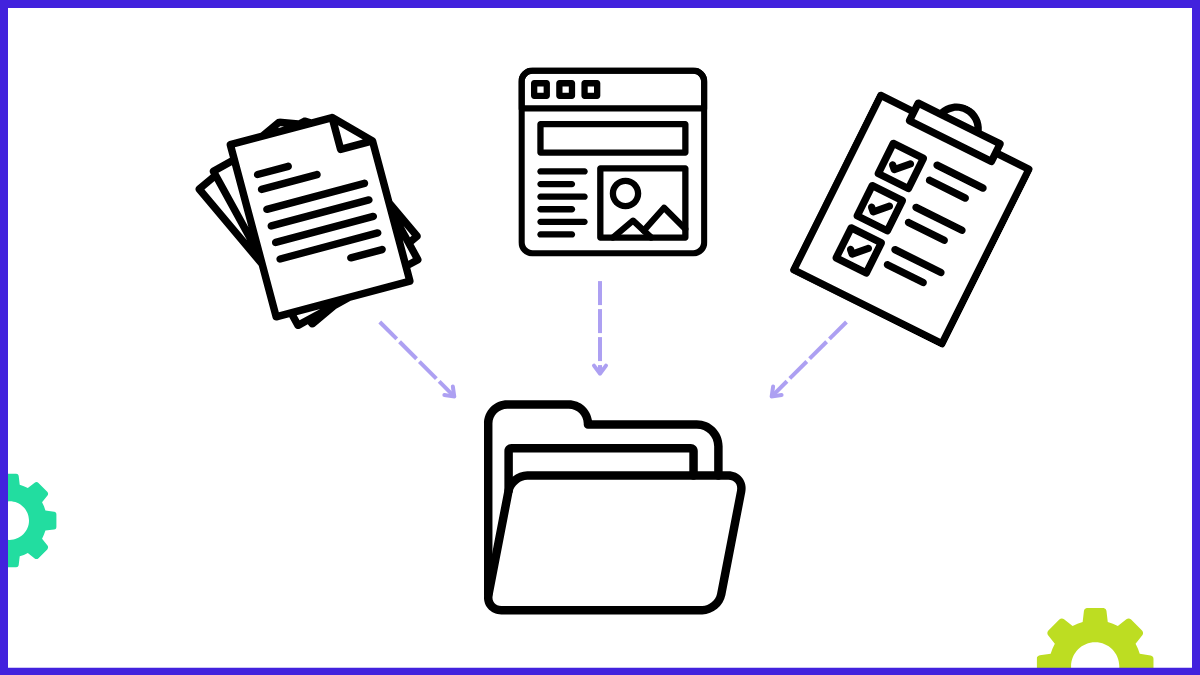
But repeat issues are actually a good thing, because they give you a chance to reduce variety at the source. Look for patterns you can turn into templates, checklists, or default answers to common questions. Putting a bit of effort into fixing repeat issues means fewer future interruptions and a calmer, more focused Ops day over time.
Find prioritising rules that work for you and stick to them
With so much variety to handle, you need clarity on what to focus on first, how much deep work fits into your day, and what else you realistically have capacity for. That’s why it’s important to put prioritising rules in place and stick to them. They will guide your choices and help you make the best use of your time. Following the same rules consistently is what makes busy Ops days feel (much) more manageable.
And if prioritising feels particularly hard right now, I’ve written a separate article, How to prioritise in Ops without burning yourself out, where I share the rules I personally use. Have a look, you might pick up a few ideas worth trying!
Next steps
Give it a go: Try these tips over the next couple of weeks, even just one or two of them, and see whether your days feel a bit lighter and more manageable.
Join the conversation: How do you handle variety in your role? Let us know in the comments below what works for you. Other readers might find it useful.
Subscribe to Opsi Monthly: One email a month with practical ideas, habits, and reflections to help you lead through imperfect, real-world operations with clarity and confidence.