
How to prioritise in Ops without burning yourself out
In Ops, tasks are flying your way all day long. Before you wrap up one thing, a few more have landed on your plate. Many of them feel urgent, and you might even feel pressured to tackle tasks other people think should come first. So how do you prioritise when everything is moving and changing? Can you even prioritise effectively in Ops?
Of course you can. If you’ve been reading Opsi for a bit, you’ll know I’m a big believer in bringing more structure into Operations. Firefighting will always be part of the job (I talk about this more in my article, How to become an exceptional Ops leader in the not-so-glam reality of operations), but good prioritising can give you a lot more clarity, control and breathing space. In fact, it’s one of the skills you need to build early, not just to be effective in this role, but (quite frankly) to stay sane and take some of the pressure off.
So today, I want to share my golden rules for prioritising in Ops. Whether you often feel like your day is running you, or you just want to explore some new ways to prioritise better, I hope you’ll find them useful.
Happy learning!
Use two task lists
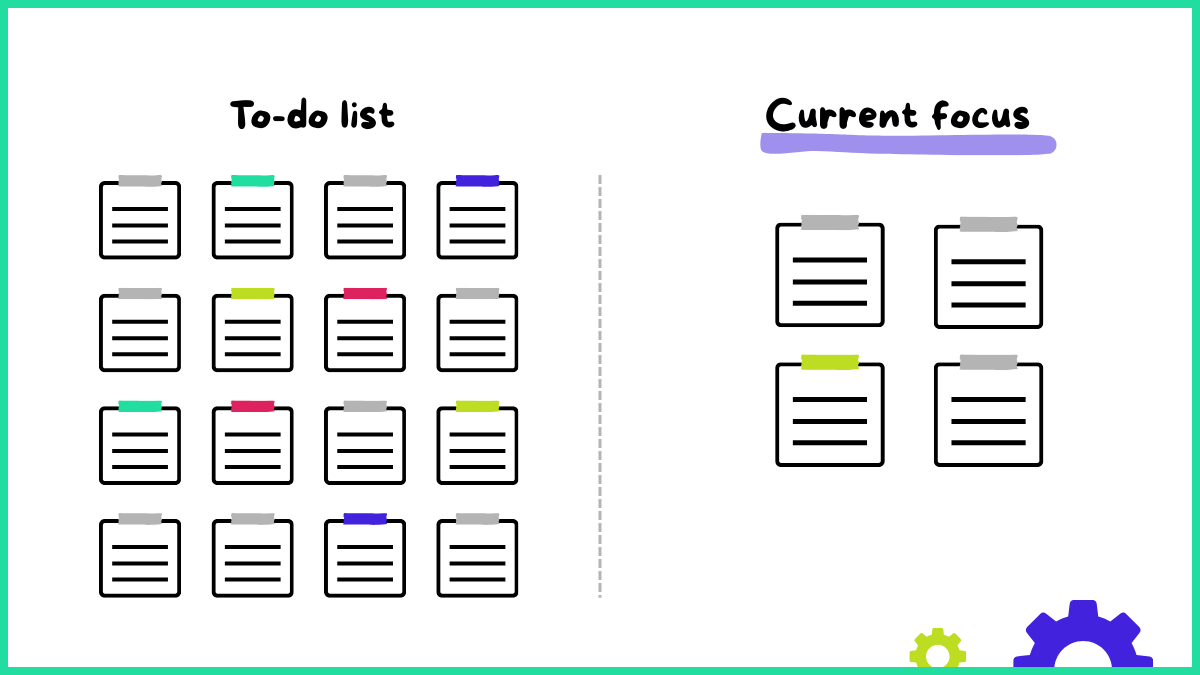
Two task lists? Really? I know it doesn’t sound great at first, but hear me out. You need one master list with absolutely everything on it: every request, every small favour, every 5-minute task, every little update and quick follow up, so you don’t have to remember about any of that. But that long, constantly growing list can feel overwhelming, and it’s hard to focus when you’re staring at everything at once. That’s why I use a second list: my current list. It includes the tasks I choose to focus on in my week. It’s a mix of big priorities, routine work, quick wins, and those fires I need to put out. I review both lists daily, move things around if needed, and only let genuine emergencies jump the queue. This simple split helps me stay focused, and I’m sure it’ll help you cut through the noise too.
Prioritise based on impact
We often hear that we should prioritise what’s important, but what does that actually mean? What’s important to you might not be important to someone else in the business. I’ve always had a bit of a hard time deciding what’s truly important, so I started prioritising based on impact instead. I think about the impact of completing a task, and the consequences of postponing it for later.
You can use a few simple criteria to assess impact, such as:
Does this tackle an incident or stop it from getting worse? Or mitigate a serious business risk?
How many people or customers are affected by this issue?
How much will it improve other people’s day-to-day work if I complete this?
Is someone blocked until I do this?
What outcome will this create?
Pick three or four criteria that matter most in your business and let them guide your top priorities. Urgency can be one of them, but it shouldn’t be the only one. Also remember that high-impact tasks often take longer, so you need to be realistic about how many you can actually fit into your week alongside everything else you’re dealing with.
Protect time for high-impact work
Once you’ve picked your priorities, you need to find time to work on them without distractions. I know it’s easier said than done, especially in Ops, so you have to treat this time differently. Think of it like a meeting with your CEO: you wouldn’t skip it, you wouldn’t reschedule it (unless absolutely necessary), and you definitely wouldn’t let random distractions pull you away from it.
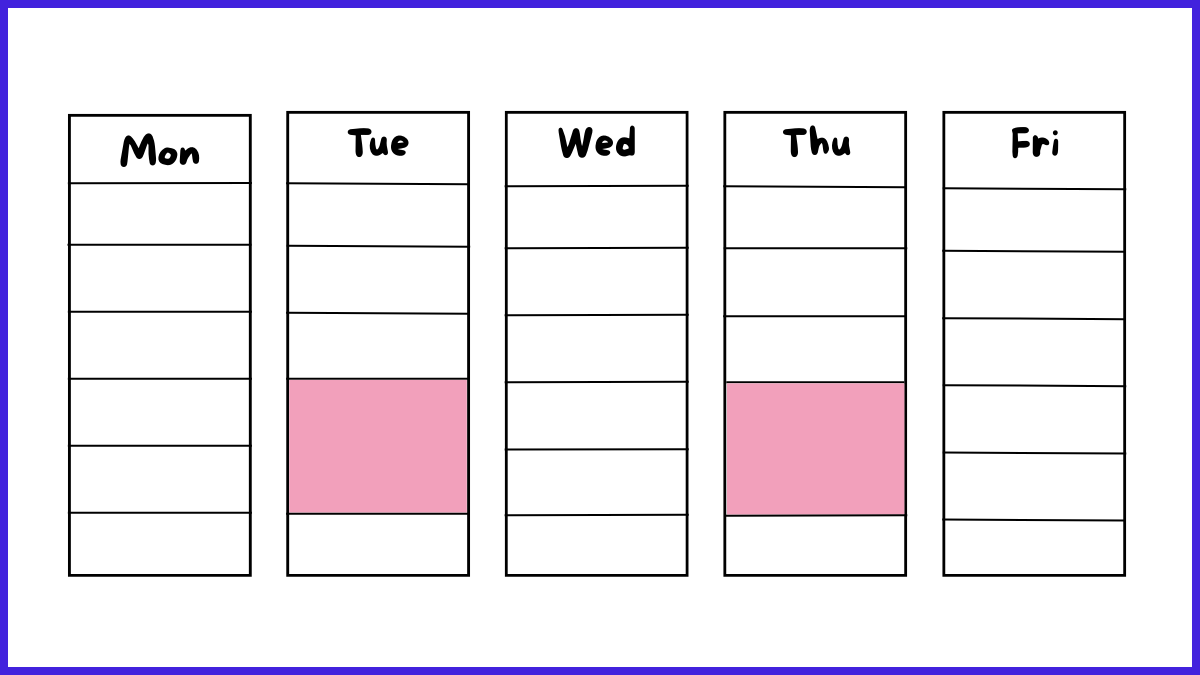
Start small with one or two afternoons a week. Do a bit of prep to make it easier on yourself: block the time in your calendar, let your team know it’s your deep-focus time, and check in that morning if there’s anything urgent you should handle before you dive into it. That also means not replying to messages. It might take a bit of time to stick, but eventually you’ll build a habit that others’ll respect.
Don’t fall for the urgency trap
Urgent is a tricky word. We live in a world where everything feels rushed, delivery is expected to be fast, and many of us operate with a constant sense of urgency. I’m sure you’ve delivered projects and tasks on tight deadlines (perhaps several at the same time). And there were probably moments when you looked at the list and thought, “There’s no way I can get all of this done so quickly!”
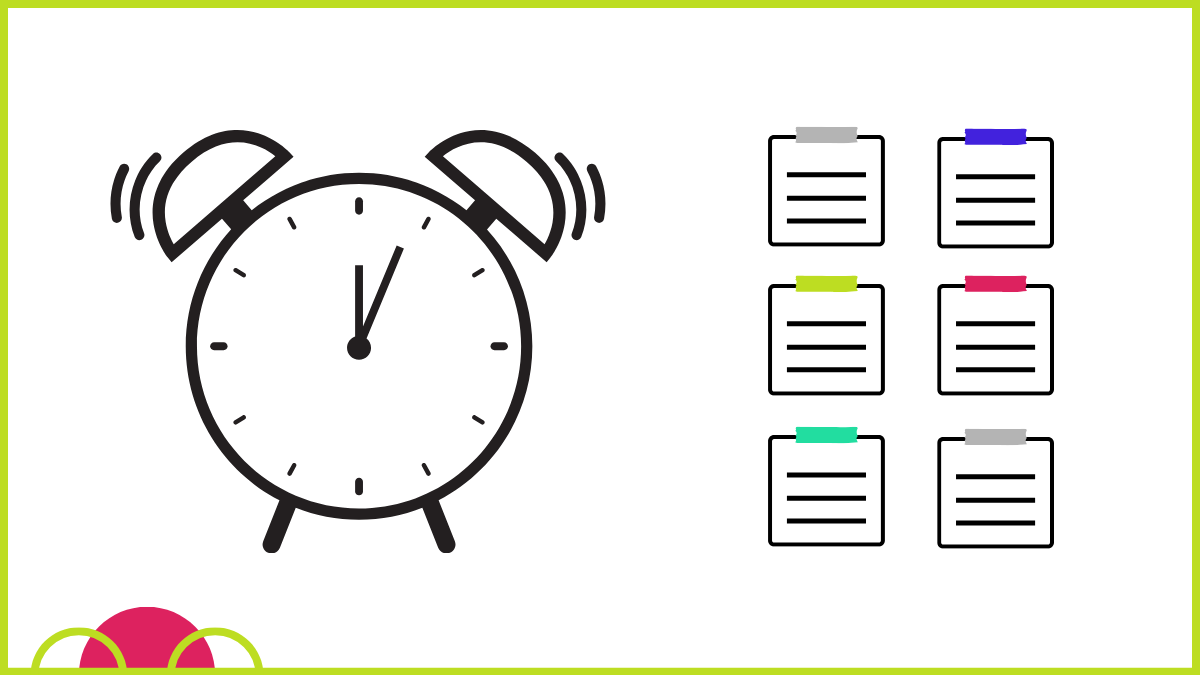
So how do you avoid falling into urgency traps? I stopped asking people when they expected things to be done. Instead, I started setting my own timeframes. I look at the task, do a quick assessment (complexity, impact, and everything else already on my plate), and then tell them when I’ll have it ready. What surprised me was how rarely people pushed back on the timeframe I suggested. Most were simply happy to have clarity. And when something truly is more urgent than I initially thought, people will let me know very quickly. That’s how I know it needs to be dealt with faster.
Squeeze quick tasks between meetings
Not all tasks require the same level of focus. Some are small and quick, but because they feel a bit trivial, we never quite find the time to get them done unless we really have to. That’s not always the smartest move. Those little tasks don’t magically disappear; they pile up, make your to-do list longer than it needs to be, and might even block someone else from getting their work done.
A better approach? Use the gaps between meetings. Those 30- or 45-minute slots that aren’t quite long enough for deep work are perfect for knocking out quick tasks and small fixes. It’s an easy way to keep your to-do list under control. And it gives you quick wins and a sense of progress that long, complex tasks simply can’t offer straight away.
Only attend meetings where you’re genuinely needed
This isn’t a new or revolutionary idea, but I’m still amazed at how often we end up invited to meetings where our presence adds very little. In today’s remote-first world, it’s easy (and tempting) to drop people into calls “just in case”.
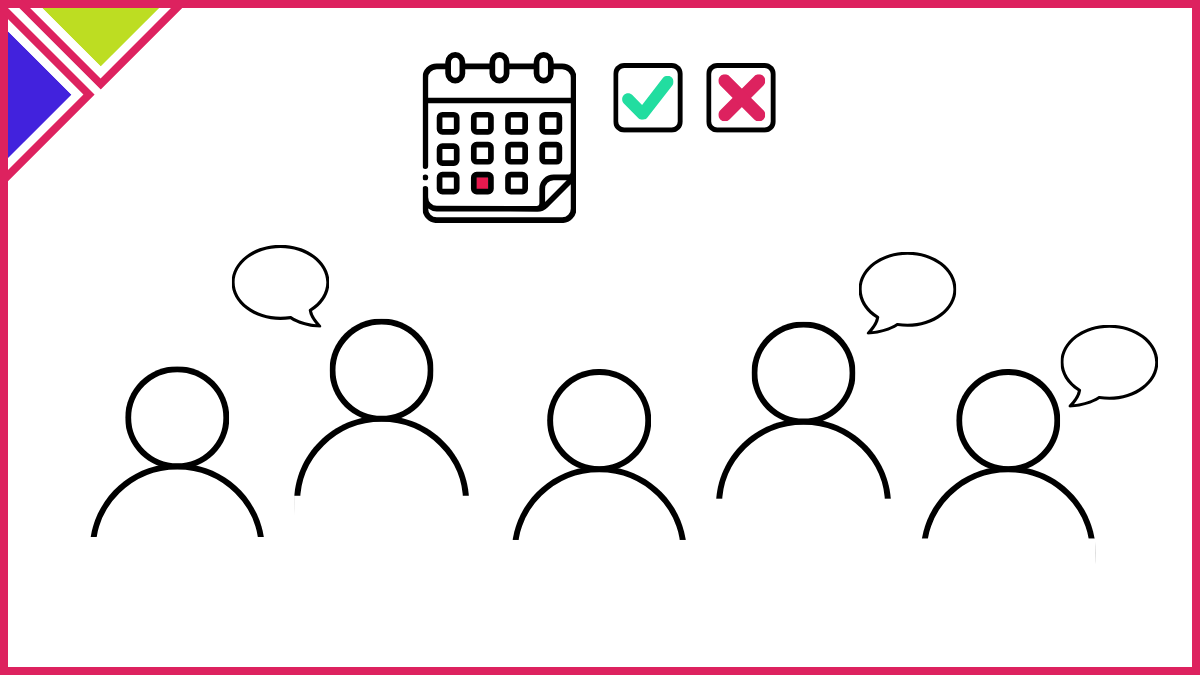
As an Ops leader, your time is limited, and meetings can quietly eat into it. So you need to be more deliberate about when to attend. Prioritise meetings with a clear purpose, a defined agenda, and a genuine reason for you to be there. If you’re not contributing, unblocking decisions, or helping move something forward, it’s okay to politely decline. It isn’t rude; it gives you time back.
Next steps
Try one rule this week: Choose one prioritising rule from this article and stick with it for a week. Small shifts like these can make a big difference to how in control your days feel.
Join the conversation: What’s your go-to prioritising rule? Share it in the comments; it could be really useful for our readers.
Subscribe to Opsi Monthly: One email a month with practical ideas, habits, and reflections to help you lead through imperfect, real-world operations with clarity and confidence.