
The hidden costs of informal operations in scaling businesses
If you’ve ever worked in a small or early-stage company, you’ve likely experienced informal operations firsthand. Everyone knows how things are done. You don’t need many policies, processes or guidelines. Decisions are made in meetings, and you can ask someone directly for the information you need. That’s perfectly normal, and at this stage entirely sensible. When you’re a team of, let’s say, five or seven people, you’re building your business, not documenting it. You’re focused on growing revenue, promoting the business, refining the product and keeping customers happy. Operations aren’t complex yet, so formalising everything simply isn’t necessary. There’s also something else: trust, commitment, and the feeling that you’re all in it together. The business feels efficient and agile.
As the business grows and the team expands, operations naturally become broader and more complex. Structure is needed to keep it moving forward. The difficulty is that many companies don’t recognise the moment when that shift is required. There’s often an assumption that informality works until the team reaches 30 or 40 people. In reality, the signals can appear much earlier; sometimes even at ten. Some businesses also try to prolong the informal phase deliberately. Part of it is the company culture. We love the language of agility: speed, flexibility, fast decisions. Structure, on the other hand, asks for more discipline, consistency and clarity. That transition can feel uncomfortable and challenging, especially in teams that have grown used to operating without it.
As Ops leaders, our role isn’t just to notice when the stage has changed, but to lead the business through that shift. That means earning buy-in and support from key stakeholders. One of the most effective ways to do that is by outlining the costs of staying informal for too long. Cost is a language businesses understand, especially when it compounds in the background.
Not sure where your operations stand?
If you’re not sure whether informal operations have already started to create friction in your business, I’ve looked at both subtle and more obvious signals in a separate article: 15 warning signs your operations could hold back growth. It can help you quickly assess where you're at with your operations.
Rework by default
Rework happens in every business. I’m sure you’ve dealt with it yourself on at least a few occasions. Think of situations like these: a scope wasn’t explained properly, client requirements were misunderstood on a call, or incorrect data was used in an analysis. None of it is unusual. We’re only humans. Some level of rework is built into doing business. The problem is when rework starts happening often. Perhaps a little too often.
As businesses grow, the volume increases. There’s more information to process, more moving parts, and new challenges that no one has tackled before. Without enough structure and clarity, information flow is no longer smooth, decisions take longer, handovers get rushed, and knowledge lives in people’s heads instead of systems. That’s the perfect environment for mistakes to happen again and again.
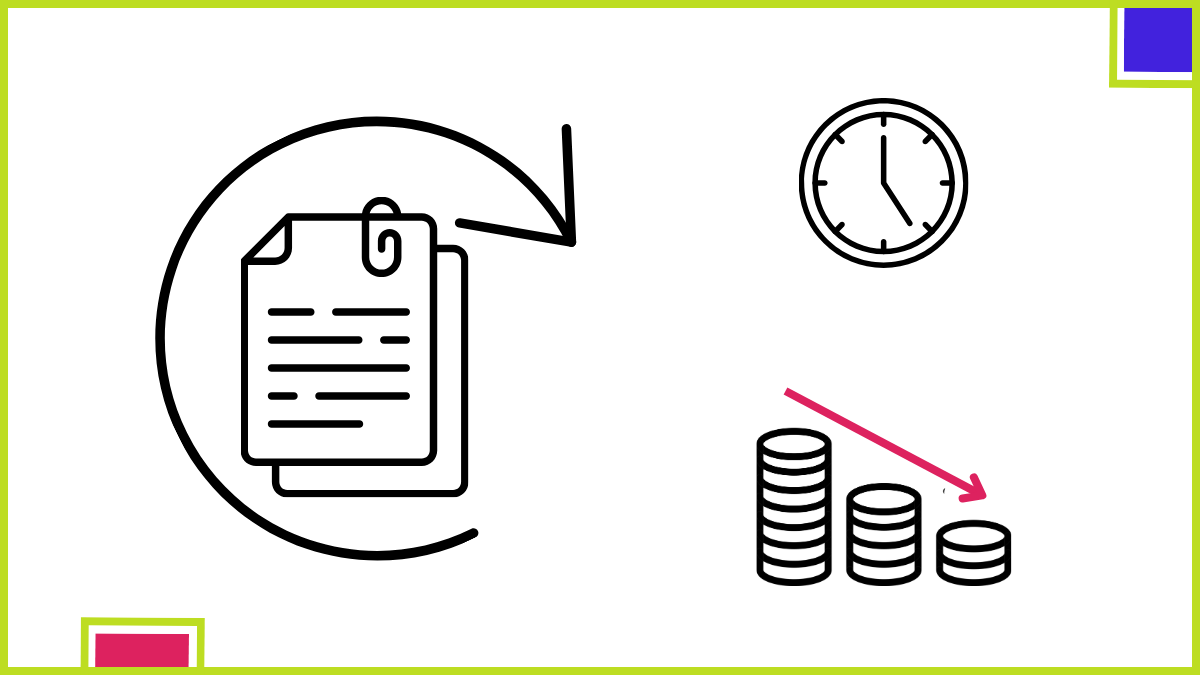
Rework comes with a cost we don’t think about enough, especially once it becomes normalised. Every correction consumes time. Time the business pays for, which means it’s effectively paying twice for the same job: once to produce it, and again to fix it. Time that could have been invested in improvement or growth. And that has consequences: lower profitability, smaller hiring budgets, and less capacity to move forward.
Hero dependency
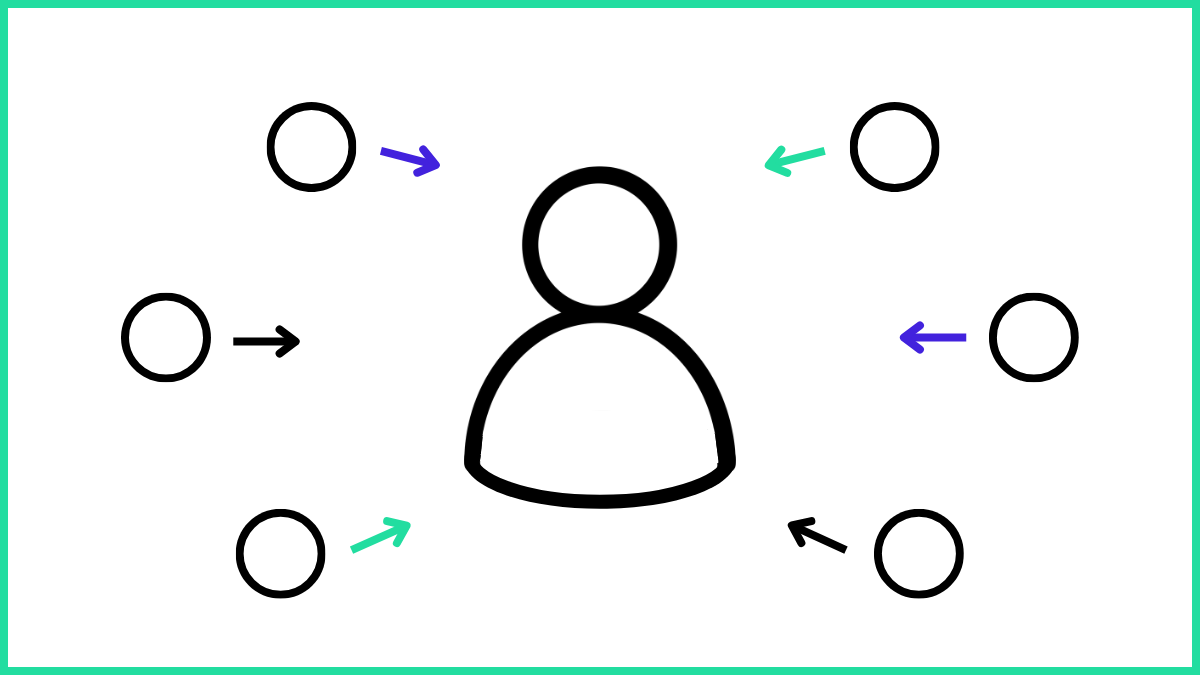
In informal environments, documenting as you go isn’t yet a habit, so we rely on people for information, clarification and decisions. If you look closely, you’ll notice that much of that knowledge sits with the same individuals. It might be because of their role, their seniority, or simply how long they’ve been around. I call them information heroes.
It may feel like a strength to have those people in the business. It’s reassuring to know there’s someone who just knows everything. But there’s another way to look at it. When work consistently depends on the same individuals, we allow dependency to build. And before we know it, that dependency becomes a bottleneck. The business can only move at the pace of its heroes. When those individuals are busy, on holiday or off sick, teams wait for information and decisions and progress slows. And what if one of them leaves? Progress can stall altogether, putting your business and clients at risk.
There is another cost that’s less visible. Dependency can unintentionally limit your team’s ability to develop core skills, like critical thinking and judgement. When answers are always available from the same people, it becomes easier to ask or escalate quickly rather than working things through first.
Scaling businesses need information that is easy to access and not concentrated with a few individuals. They also need people who are comfortable taking ownership, acting on their own initiative, and exercising judgement. Without that, growth eventually hits a ceiling.
De ja vu, on repeat
How often do you see the same conversations happening in your business? The same topic, the same clarification, a decision agreed on and then debated again. At first, repetition looks innocent. We don’t think much of it. We even excuse it. The new team member has only been with us for a couple of months and hasn’t been fully trained yet, so it’s understandable that she's asking the same questions. That process is only used a couple of times a month, of course people forget the steps. Or someone says, “Can we just quickly revisit this to make sure we’re aligned?” and you agree, because maybe you rushed it the first time and didn’t explain it clearly.
What we tend to forget is that repetition consumes time. Leaders spend a lot of time re-explaining, re-confirming and re-aligning. That time could have been invested in business priorities, improvements and work that actually creates value for the business.
Also, teams get used to revisiting and double-checking instead of making swift decisions and moving forward. Decision drag becomes part of how the business operates. It creates frustration, internal friction and, more importantly, leads to missed business opportunities.
When risks materialise
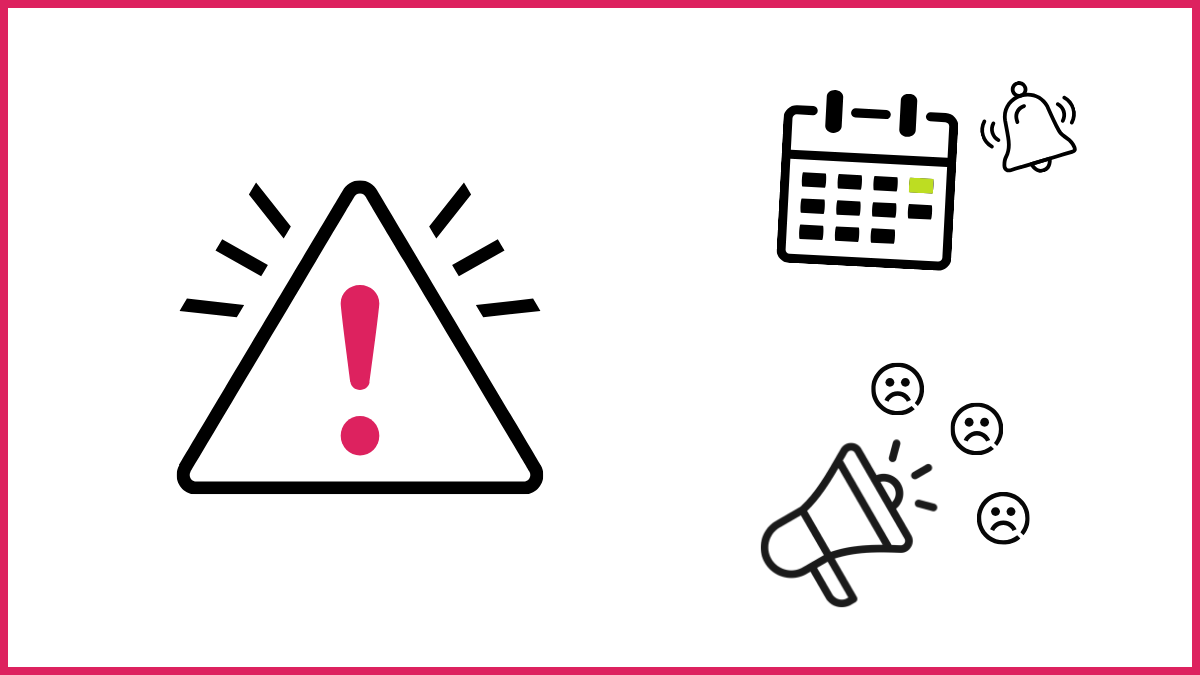
Risk is an interesting subject. We all know we shouldn’t ignore risk, but in reality it’s often not high on our priority list. And that’s sort of understandable. We tend to focus on what’s in front of us: the workload, the deadlines, the client requests, the issues that demand immediate attention. Risk, on the other hand, feels somewhat abstract. It’s not obvious or visible. It doesn’t sit neatly on a to-do list. Instead, it hides in small shortcuts, untracked exceptions, temporary fixes and issues postponed for later (or never). And then, just like that, the risk materialises, often when we’re least prepared, and we’re left dealing with the consequences.
So do we really need to think about “what ifs”?
What if your project management system stops working for a few days; something that has always worked perfectly so far?
What if your key team member decides to leave; something they’ve hinted at for years but never acted on?
What if incorrect information ends up in a client contract because the process was never properly defined or documented?
And so on.
The cost of unmanaged risks is usually higher than the cost of preventing them. It can sit anywhere on the spectrum: from a missed deadline or an uncomfortable client call to financial loss, erosion of trust, or reputational damage. So perhaps those “what ifs” are worth considering after all.
Operational stagnation
Sometimes we take a quick look at the business and conclude that everything is on track. It feels busy. Employees are focused on their workload. Leadership stays close to day-to-day operations to keep a pulse on what’s happening. Clients seem happy. Revenue is growing. On the surface, everything looks smooth. But is it?
In scaling businesses, Ops leaders (and senior leaders really) are in the business most of the time because decisions need clarifying, work needs correcting and risks need containing. The day just fills itself. When we do step back, we often see inefficiencies and areas for improvement; we get new ideas and we want to make changes. But time is rarely on our side, and many of those don’t feel urgent, so they get postponed.
Scaling brings complexity whether we’re ready for it or not. The foundations we put in place early on need to evolve as the business grows. If they don’t, issues will start to appear across the business: in delivery, in client experience, in internal friction and in margins. Scaling becomes more difficult than it needs to be, and over time we risk losing both clients and employees to businesses that adapt faster. The cost of postponement is a gradual loss of competitive edge, and we often don’t realise it early enough.
When “good enough” becomes enough
Top-notch quality and high standards are key to client satisfaction. No one needs convincing there. But they’re not easy to maintain in any environment. Even with a solid structure in place, things occasionally slip. And without it? Not only do shortcuts, workarounds and inconsistencies become acceptable, but they’re also justified. That sends a clear message: we don’t need to aim high; “good enough” will do.
If we set the bar low from the beginning, raising it later becomes much harder. That’s why certain things in a business need to be set firmly early on. Quality and standards are among them.
When we deliver a poor or inconsistent experience, clients may forgive us once or twice. But each time, trust weakens and, ultimately, they may start looking elsewhere for something better. Winning new clients is hard enough as it is. Are we really okay with losing them because we couldn’t hold our standards?
Next steps
Pressure-test it: Do you agree that these are the real hidden costs of informal operations? What else would you add to the list? I’m genuinely curious about what you’re seeing in your company (share in the comments below).
Start with one decision: Which hidden cost is having the biggest impact on your business right now? Choose one area and commit to consistent improvements. You might be surprised how much small changes can improve how the business runs.
Subscribe to Opsi Monthly: One email a month on building stronger operations - thoughtful, practical and designed for the realities of scaling.